Shenanigans
by Mark Brislin | Jan 31, 2022 | Allgemein, Britisches Englisch / Amerikanisches Englisch Wortschatz, Falsche Freunde Tipp der Woche, Geschäftsenglisch, Rechtsenglisch, Satz des Tages, Spezieller Grammatik Tipp der Woche, Umgangssprache, Wort des Tages, Wortschatz für Verträge und Verhandlungen
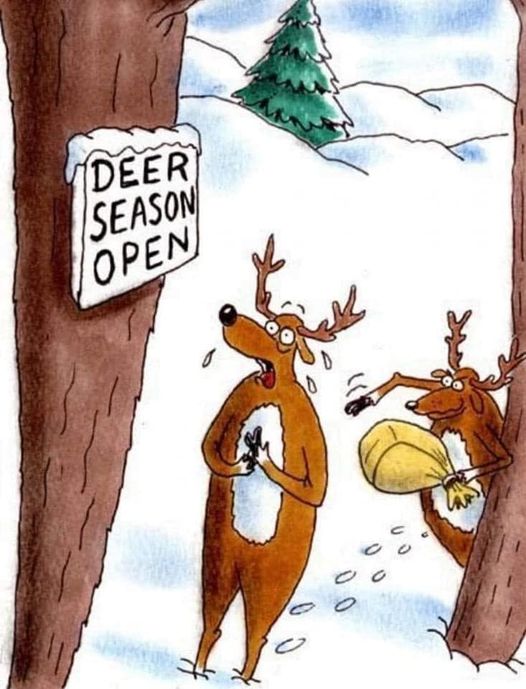
Below is a picture with the word
Shenanigans (Blödsinn) as an example.

Business English Word of the Week:
Geschäftsenglisch Wort der Woche:
Market research
The English phrase market research refers to the research you do to collect information about what your customers need or prefer in a certain product or service.
Sample sentence:
“New market research shows that food manufacturing is one of our country’s top income earners.”
Law English word of the Week:
Gesetz Englisches Wort der Woche:
Deposition
Giving sworn evidence, usually written or spoken.
Sample sentence:
“She gave her deposition last week. We will use it in court today.”
Vocabulary for Contracts:
Wortschatz für Verträge:
Stipulate v. to specify as an essential condition – stipulation n.
For example:
“As stipulated by law in the contract, the apartment cannot be sublet to a third party.”
Terms n. conditions or stipulations. The English law phrase, “Terms and Conditions.”
For example:
“This is one of the terms you agreed to by signing the contract.”
Vocabulary for Negotiations:
Wortschatz für Verhandlungen:
Work out: meaning to calculate (the price of something); to find a solution.
Sample sentence: “I need to work out how much this is going to cost!“
**********************************************************
Word of the day: Wort des Tages:
Shenanigans: means silly or high-spirited behaviour; mischief.
noun informal plural noun: shenanigans; noun: shenanigan
secret or dishonest activity or manoeuvring.
Sample Sentence:
“The chairman was accused of financial shenanigans.“
Phrase of the day: Satz des Tages:
To take the Micky / to take the Michael means to make fun of someone. This is a typical English slang phrase which I use regularly.
Sample sentence:
“They were taking the Micky out of him, but he did not care.“
Idiom of the day: Redewendung des Tages:
“To talk the hind legs off a donkey” means British, informal. : to talk for a long time.
Sample sentence:
“She rarely spoke, but her brother could talk the hind legs off a donkey.“
British (B.E.) / American (A.E.) Vocabulary:
Britisches Englisch / Amerikanisches Englisch Wortschatz:
“Lift” British (B.E.) / (A.E.) “Elevator”
“Once, when I was in Columbia, and once when I was in Brazil, I made the same mistake. This was to shout out to my American friends to “Hold the lift!” of course, they did not, because they did not understand me at that moment, because they do NOT use the word LIFT, but they use the word ELEVATOR.”
Pronunciation tip: Aussprachetipp:
Cupboard (Schrank) = do NOT pronounce the “P”. ˈkəbərd so it is spoken = ‘KUB Board‘
False Friends Tip of the Week:
Falsche Freunde Tipp der Woche:
Familiar / familiär
Translate the following sentences:
-
She looks somehow familiar to me.
-
Ermusste aus familiären Gründen absagen.
-
Sie kommt mit irgendwie bekannt vor.
-
He had to cancel for family reasons.
There are various translations of “familiar”, depending on the context: bekannt, vertraut, vertraulich, intim, for example. English does have the adjective “familial”, but it is more common to use the noun ‘family’, attributively, as in sentence two above.
Slang word of the day: Slangwort des Tages:
A “quid“ (this is not a spelling mistake = Squid ☺). A quid means one English pound £; so 10,000 quid, 10 thousand quid, a million quid (no “S” is needed, unless you say: “We’ve got loads of money, we’re quid’s in!”). The word quid is very commonly spoken in the UK.
Wit, wit, wit – Drink and Other Drugs:
Witz, Witz, Witz – Trinken und andere Drogen:
“The best temperance lecture I ever heard was delivered by a man under the influence of alcohol.”
Quote by W. C. Fields.
Colloquial / Colloquialisms:
Umgangssprache / Umgangssprache:
“A hangover” means a severe headache or other after-effects caused by drinking an excess of alcohol.
A custom, habit, feeling, etc. that survives from the past.
Sample Sentence:
“This feeling of insecurity was in part a hangover from my schooldays“.
Cockney rhyming slang: Cockney Reimender Slang:
The “rubber dub dub” = the pub. The English word Pub die Kneipe is the short form of Public House. I would say that the English do not say “Public House” anymore, only Pub.
Quote of the week: Zitat der Woche:
“The way we get hope is to first get a promise.” Bill Johnson.
Fortgeschrittene, Anfänger, Geschäftsenglisch, Firmenkurse, Gruppenunterricht, In-house Englisch, Sprachschule Englisch, Telefonkonferenz Englisch persönlich oder per Videokonferenz; in Dresden, Chemnitz, Freiberg, Halsbrücke, Lichtenberg, Brand-Erbisdorf, Meißen, Döbeln, Riesa und überall in Sachsen seit über 20 Jahren!
Delivering professional Business English teaching in person or via video conferencing in Dresden, Chemnitz, Meißen, Lichtenberg, Freiberg, Döbeln, Riesa, Halsbrücke, Brand-Erbisdorf and all over the state of Sachsen for over 20 years!


Recent Comments