A stitch in time saves nine
by Mark Brislin | Oct 7, 2025 | 2025, Allgemein, Britisches Englisch / Amerikanisches Englisch Wortschatz, Falsche Freunde Tipp der Woche, Geschäftsenglisch, Rechtsenglisch, Satz des Tages, Spezieller Grammatik Tipp der Woche, Umgangssprache, Wort des Tages, Wortschatz für Verträge und Verhandlungen
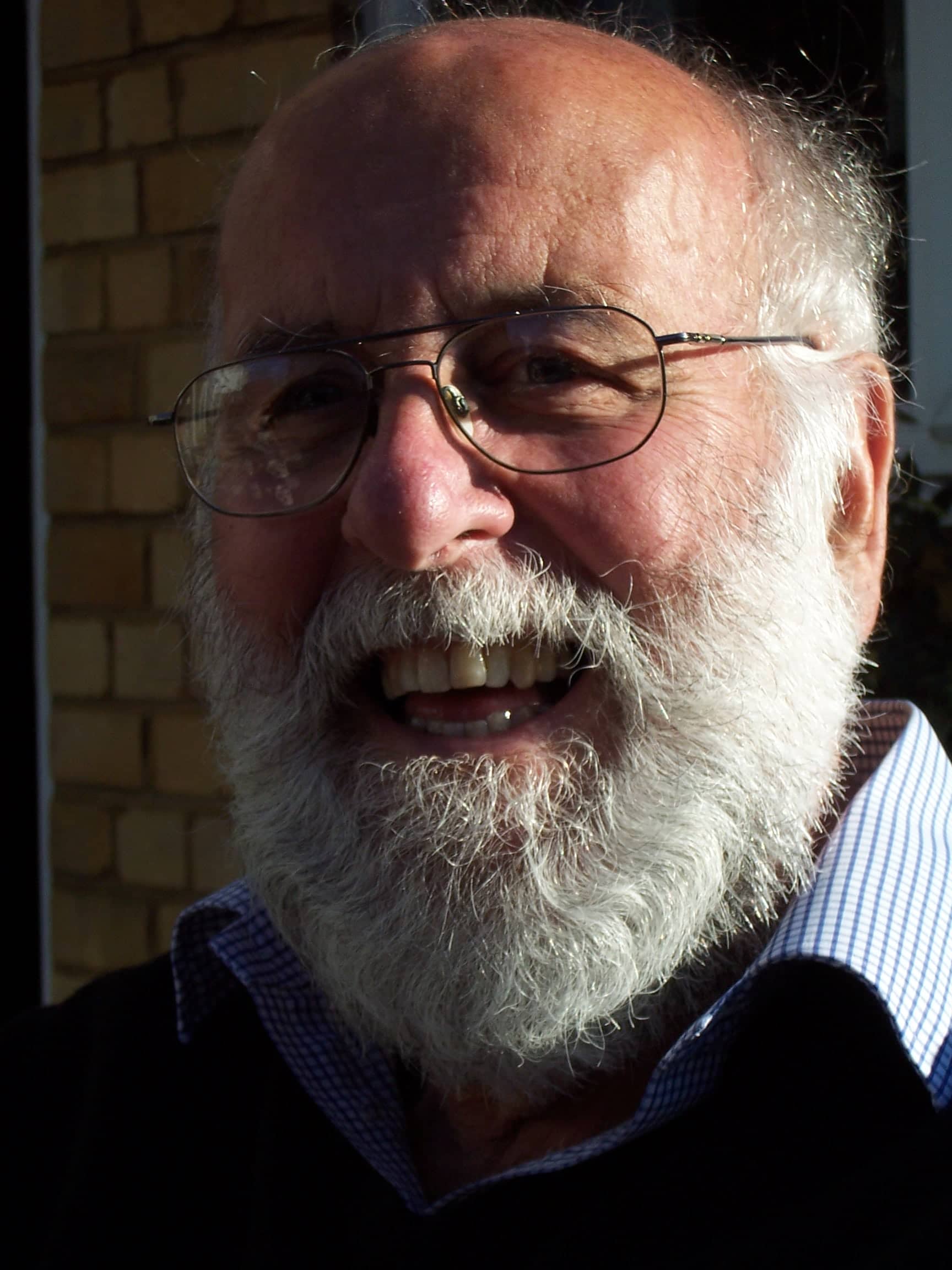
Father Christmas on one of his 364 days off work.
NOTE: Business English etc.
can be found below the translation exercises.
Translate the Text into English: Übersetzen:
Susann, Andreas, Nadine, Heike, Reiner, and Simone.
Forget it! – Vergiss es!
That’s enough, stop! – Hör auf! Das reicht!
I’m sure about that. – Da bin ich mir sicher.
That’s difficult. – Das ist schwierig.
Don’t be afraid. Hab keine Angst.
That’s funny. – Das ist lustig.
It’s my fault. – Es ist meine Schuld.
Don’t worry about it. – Mach dir keine Gedanken.
That’s really nice. – Das ist wirklich nett.
That’s not important. – Das ist nicht wichtig.
*********************************************************
English – English – English – English – English – English – English

The Golden Mile – the beach at Lowestoft, England.
Business English Word of the Week:
Geschäftsenglisch Wort der Woche:
A business word/phrase = An expense report
This is a document listing all the money spent during a business trip.
Sample Sentence:
“I once knew a man back in England who used to ask the hotel for an expense report which only said the final sum for his time at the hotel. He did this because he used to drink a lot of alcohol during his stay, and he did not want his company to find out about it.”
Law English Word of the Week:
Gesetz englisches Wort der Woche:
A law word/phrase = an affidavit (is a sworn written statement which is made ‘under oath’).
Sample Sentence:
“Once the defendant’s affidavit had been written, it could be included in the defendant’s case in court.”
Vocabulary for Contracts:
Wortschatz für Verträge:
A word/phrase for contracts = Capacity. Legal ability of a party to enter into a contract, considering age and mental state.
Vocabulary for Negotiations:
Wortschatz für Verhandlungen:
A word/phrase for negotiations = A deadlock
Meaning: A point in a discussion which takes you nowhere because people cannot reach an agreement.
Sample Sentence:
“They reached a deadlock fairly early in the discussion, because they didn’t want to listen to our arguments, and they didn’t make any counterproposals either.”
English – English – English – English – English – English – English
*****************************************************

Word of the day: Wort des Tages:
Proverbs – Sprichwörter
Sample Sentence:
“Every society has its own proverbs, some societies more than others. In the Old Testament of the Holy Bible, there is a complete book called ‘Proverbs’, and many societies quote from this book.”
Phrase of the day: Satz des Tages:
“To have an inkling of something” (eine Ahnung haben) means to have a slight, vague, or uncertain idea, suspicion, or understanding about it, without being completely sure. It’s a basic clue or faint notion about something, like having the faintest inkling that someone is unhappy.
Sample Sentence:
“I didn’t have the slightest inkling that she was unhappy. I had no hint or clue at all about her feelings.”
Idiom of the day: Redewendung des Tages:
As blind as a bat – having very bad eyesight; unable to see well.
Sample Sentence:
“I know a woman called Heidi, and she’s as blind as a bat without her glasses.”
British English / American English Vocabulary:
Britisches Englisch / Amerikanisches Englisch Wortschatz:
British English (B.E.) = Truncheon
American English (A.E.) = Nightstick
The English word Truncheon is only associated with a Policeman – he uses it to defend himself or hit people over the head with it during ground control, for example.
In American English, a Nightstick is the same thing, but Americans would even use it for communication – banging it on the sidewalk.
Special Grammar Tip of the Week:
Spezieller Grammatik-Tipp der Woche:
Use the three words Since, Ago and For with Time – Since you use to answer the question “How long have you….?” So, this is since a ‘Happening’ – for example: “Since I got up this morning.” “Since I left University.” “Since I got married.” “Since I had lunch.” “Since I returned from my holiday.”
NOTE: You can use dates – 20.12.2025, months of the year – March, days of the week – Monday, and use the time 9 am this morning.
Use For and Ago:
With TIME you can use FOR or AGO. Use the 7 main words to describe time = seconds, minutes, hours, days, weeks, months and years.
You can also say: For a long time, for ages, for half a year, for ever, for a decade (= 10 years), for a century.
“I have been married for 25 years.” (a quarter of a century) but “I got married 25 years ago.” The word AGO always comes at the end of a sentence.
Pronunciation Tip: Aussprachetipp:
Epitome
It is customary to speak all the vowels in Greek that were adopted into English. This is how we derive the word epitome from the Greek ‘epitom’.
The ending -e in epitome is not silent, as it is in many other words in English; it is pronounced [ih-pit–uh-mee].
So we will practice this in our lesson.
JOKES / PUNS:
“Why did the Lion break up with his girlfriend? She was a Cheetah.”
False Friends Tip of the Week:
Falsche Freunde Tipp der Woche:
German = callboy
Translation = Gehilfe des Souffleurs (Theatre) order:
Hotelboy
False Friend (F.F.) = Callboy (also known as a ‘Rentboy’)
Meaning of F.F. = a male prostitute
******************************************************
English – English – English – English – English – English – English

Wit, wit, wit – Education:
Witz, Witz, Witz – Ausbildung:
“He pursued his studies but never overtook them.”
Quote by H. G. Wells.
******************************************************
English – English – English – English – English – English – English
Slang word of the day:
Slangwort des Tages:
Beef – to have a disagreement/problem or an issue with someone.
The Bees knees – a highly admired person or thing.
Sample Sentences:
“Heh, Private Anderson, what’s your beef with the Sergeant?”
NOTE: This is a very American Slang term and not really used at all in the UK.
“Since she got that new party dress, she thinks she’s the Bees Knees!”
Colloquial / Colloquialisms:
Umgangssprache / Umgangssprache:
‘fridgescapers’ Key aspects of fridgescaping:
Aesthetic Styling:
The core concept is to make the interior of the fridge visually appealing, similar to interior design for the home.
Decorative Elements:
People incorporate non-edible items like flowers, mirrors, candles, fairy lights, or framed photos into their fridge’s decor.
Themed Approaches:
Some ‘fridgescapers’ create themes, such as Bridgerton-inspired decor, to match pop culture.
Organisation and Food Visibility:
It often includes organising groceries and using clear containers to keep food items visible, which can encourage healthy eating and reduce food waste.
Potential Benefits
Creative Outlet:
It provides a relaxing and creative way for people to express their personalities.
Motivation to Eat Healthy:
By making food more visually appealing, it can encourage people to consume fresh produce.
Aesthetic Improvement:
It offers a fun way to decorate and bring design trends into the home, even in unexpected places.
Potential Drawbacks:
Health Risks:
Decorating the fridge can disrupt its temperature regulation and create a risk of food contamination, according to some experts.
Impracticality:
The aesthetic can be difficult to maintain, especially in households with children or when not everyone is on board with the effort.
Sample Sentence:
“The fridgescapers are taking over my kitchen!”
Cockney Rhyming Slang:
Cockney Reimender Slang:
To take the Mickey (Singer: called Mickey Bliss = East London popular singer) rhyming with PISS – “don’t take the piss.”
Sample Sentence:
A friend had a slightly strange accent and slightly odd mannerisms, and another friend was copying him and acting like him, so it sounded and looked like the first friend, and he said angrily, “Ear! Mate, don’t take the Mickey or I’ll box your ears!”
Quote of the week: Zitat der Woche:
I got in a fight one time with a really big guy. And he said, ‘I’m going to mop the floor with your face.’ I said, ‘You’ll be sorry.’ He said, ‘Oh, yeah! Why?’ I said, ‘Well, you won’t be able to get into the corners very well.’
Quote by Emo Philips.

*********************************************************
English – English – English – English – English – English – English
Fortgeschrittene, Anfänger, Geschäftsenglisch, Firmenkurse, Gruppenunterricht, Inhouse-Englisch, Sprachschule Englisch, Telefonkonferenz Englisch persönlich oder per Videokonferenz; in Dresden, Chemnitz, Freiberg, Halsbrücke, Lichtenberg, Brand-Erbisdorf, Meißen, Döbeln, Riesa und überall in Sachsen seit über 20 Jahren!
Delivering professional Business English teaching in person or via video conferencing in Dresden, Chemnitz, Meißen, Lichtenberg, Freiberg, Döbeln, Riesa, Halsbrücke, Brand-Erbisdorf and all over the state of Sachsen for over 20 years!

Recent Comments