Not by a long chalk!
by Mark Brislin | Oct 14, 2026 | 2026, Allgemein, Britisches Englisch / Amerikanisches Englisch Wortschatz, Falsche Freunde Tipp der Woche, Geschäftsenglisch, Rechtsenglisch, Satz des Tages, Spezieller Grammatik Tipp der Woche, Umgangssprache, Wort des Tages, Wortschatz für Verträge und Verhandlungen
NOTE: Business English etc.
can be found below the translation exercises.
Translate the Text into English: Übersetzen:
Susann, Andreas, Nadine, Heike, Reiner, and Simone.
Wollen Sie eine Nacht oder zwei Nächte bleiben?
Wir zahlen hundert Euro für das Einzelzimmer.
Guten Tag, haben Sie noch ein Einzelzimmer frei?
Wie viele Nächte möchten Sie bleiben?
Nein, wir haben leider kein Doppelzimmer frei.
Ja, wir haben noch ein Doppelzimmer frei.
Wollen Sie das Einzelzimmer?
Guten Tag und willkommen!
Ihr Zimmer ist links, Frau M.
Ihr Zimmer ist rechts, Herr G.
Das Zimmer ist ruhig.

*********************************************************
English – English – English – English – English – English – English
Business English Word of the Week:
Geschäftsenglisch Wort der Woche:
A business word/phrase = Salary – Gehalt
“To be salaried”, “to be on a salary.” Being on a salary means you receive a fixed annual amount of money divided into regular, predictable pay checks (such as biweekly or monthly) rather than being paid an hourly rate. An hourly rate is to have a wage, to have wages.
A Salaried Position:
-
A Fixed Pay: You earn the same amount in each pay check irrespective of whether you work less or more than 40 hours each week.
-
Exempt Status: Most salaried workers are classified under the term “exempt” employees. They are exempt from the hourly minimum wage (which we have in the UK) and overtime laws under certain Government rules, so they normally do not get extra pay if they work longer hours.
-
No Timesheets: An employee (an office worker, known as ‘White Collar Workers’) typically does not have to ‘punch a clock’ or log their daily hours with an electronic chip (a transponder) the way hourly workers do (those who work on ‘the shop floor’, known as ‘Blue Collar workers’).
-
Better Benefits: Salaried positions are usually tied to full-time employment and comprehensive benefit packages, such as paid time off (for short PTO), health insurance, and retirement plans, etc.
-
Expectations and Flexibility: While some salaried positions offer the flexibility (known as Flexi-Time) to leave early when the work has been finished, many involve working extra evenings or at weekends during particularly busy periods without additional compensation.
Law English Word of the Week:
Gesetz englisches Wort der Woche:
A law word/phrase = Unintelligible – unverständlich
Sample Sentence:
“The Language used in the area of law is often Unintelligible to the layman.”
Vocabulary for Contracts:
Wortschatz für Verträge:
A word/phrase for contracts = Rescinded / A rescinded offer means an employer has officially withdrawn or cancelled a job proposal or employment contract after extending it to a candidate, usually before the person’s start date.
Vocabulary for Negotiations:
Wortschatz für Verhandlungen:
A word/phrase for negotiations =
Preferential treatment means giving an individual, group, or organisation a better deal, special advantages, or higher status than others receive in the same situation.
Sample Sentence:
“The sons and daughters of the President were given Preferential treatment even though he is a Billionaire.”
English – English – English – English – English – English – English
*****************************************************
Word of the day: Wort des Tages:
Palatable (schmackhaft, wohlschmeckend), also edible, tasty, and appetising.
Sample Sentence:
“This Russian food they are trying to force-feed us is not very palatable,” said someone from a neighbouring country….
Phrase of the day: Satz des Tages:
“A little bossy boots” – A “bossy boots” is a British, informal term for a person—often a child—who frequently tells others what to do or acts in a commanding manner. The phrase is used to describe someone, usually a child, who takes charge, gives orders, and is very demanding. It is a common, playful, or sometimes exasperated label for a, often young, person who is always telling people what to do.
Key details regarding “bossy boots” include:
-
Definition: A person who tells others what to do; a bossy individual.
-
Context: It is often used for children, sometimes implying they are trying to act more important than they are.
-
Parenting Perspective: Children often act this way to feel safe, in control, or to see their ideas come to fruition, say Today’s Parent and Child Magazine.
-
Management: Experts suggest channelling this behaviour by giving children opportunities for positive leadership, setting boundaries, and role-playing.
-
Usage: It can be used for someone acting “too big for their boots” or showing premature, excessive authority.
It’s a term of endearment or mild exasperation, often highlighting natural, albeit intense, leadership qualities in a child.
Sample Sentence:
“Isn’t little Cornelia a little bossy? I wonder how she will grow up? “
Idiom of the day: Redewendung des Tages:
“Is it good to go?” This is American for ‘does it work?’ The AMERICAN IDIOM “good to go” means that a person, object, or project is completely prepared, approved, and ready to start or proceed.
Fixed or Functional: A machine, system, or computer is repaired and working properly again.
Approved or Cleared: A person in authority has given permission or verified that something meets all requirements to move forward.
Ready: You have finished all necessary preparations and can leave or begin a task.
Sample Sentences:
“I just checked your car engine; you’re good to go on your road trip.” (Cleared/Safe).
“Let me get my hat and coat and I’m good to go.” (Ready)
“Our Professor approved our final report, so the University project is good to go.” (Approved).
British English / American English Vocabulary:
Britisches Englisch / Amerikanisches Englisch Wortschatz:
British English (B.E.) = a level crossing
American English (A.E.) = a grade crossing
The English word level crossing means is a place where a railway line and a road, path, or cycleway cross each other on the same ground level, rather than using a bridge or a tunnel.
In American English, perhaps it means you have passed a grade at school or it’s where two roads meet and one road is at a higher grade than the other?
Sample Sentence:
“An American stopped his car in the middle of an English level crossing, thinking it would stay there and not move, but being an American he had stopped on a grade crossing and so when he got out of his car, then the car slowly rolled away down the gradient.”
Special Grammar Tip of the Week:
Spezieller Grammatik-Tipp der Woche:
The time expression always comes before the verb.
“I always play football on a Thursday.”
“I never play football on a Thursday.”
“I often play football on a Thursday.”
“I sometimes play football on a Thursday.”
You get the idea…
Pronunciation Tip: Aussprachetipp:
Cucumber (Gurke) is pronounced “Q – Kumber”
So we will practice this in our lesson.
PUNS/JOKES:
Reports say the man who invented the taser has died.
Family and friends are stunned.
False Friends Tip of the Week:
Falsche Freunde Tipp der Woche:
German = Begriff, / Idee
Translation = concept / conception
False Friend (F.F.) = Konzept
Meaning of F.F. = draft
******************************************************
English – English – English – English – English – English – English
Wit, wit, wit – Food:
Witz, Witz, Witz – Ausbildung:
“Willpower is to be able to eat just one peanut.”
Quote by Pat Elpinstone.
******************************************************
English – English – English – English – English – English – English
Slang word of the day:
Slangwort des Tages:
To “downplay” something means to minimise its importance, seriousness, or value, often making it seem less significant than it actually is. It is the act of understating or trivialising a situation, risk, or achievement to reduce concern or influence perception.
-
Definition: Treating or speaking about something to reduce emphasis on its importance or intensity
Sample Sentence:
“The double played the importance of allowing the enemy to use Sky Link.”
Colloquial / Colloquialisms:
Umgangssprache / Umgangssprache:
To go for a dip = to go for a swim / to dip the body / to dip a sausage into (a sauce).
Sample Sentence:
“It’s very hot today, so I think I’ll go for a dip in the local swimming pool.”
Cockney Rhyming Slang:
Cockney Reimender Slang:
Cobblers = cobblers’ awls = balls or ‘bollocks‘ (i.e. testicles, but usually meant in the sense of ‘rubbish‘ as in:
Sample Sentence:
“You’re talking a load of cobblers!”
Quote of the week: Zitat der Woche:
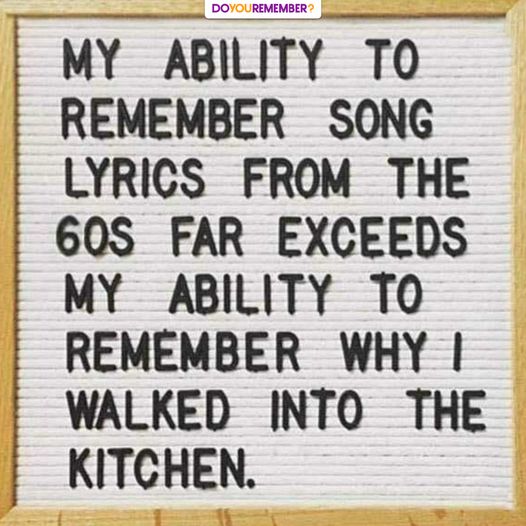
“The past always seems nostalgic when we hanker for what was and at the same time hate what is.”
MIB 30th April 2025.
*********************************************************
English – English – English – English – English – English – English
Fortgeschrittene, Anfänger, Geschäftsenglisch, Firmenkurse, Gruppenunterricht, In-house-Englisch, Sprachschule Englisch, Telefonkonferenz Englisch persönlich oder per Videokonferenz; in Dresden, Chemnitz, Freiberg, Halsbrücke, Lichtenberg, Brand-Erbisdorf, Meißen, Döbeln, Riesa und überall in Sachsen seit über 20 Jahren!
Delivering professional Business English teaching in person or via video conferencing in Dresden, Chemnitz, Meißen, Lichtenberg, Freiberg, Döbeln, Riesa, Halsbrücke, Brand-Erbisdorf and all over the state of Sachsen for over 20 years!

Recent Comments